
Moving forward, together.
Caregivers are the most important people in an infant’s life. The Ei3 Network is here to empower you with resources to help you advocate for your child.
I want to learn more about what cerebral palsy is and the warning signs.
I’m concerned about my little ones development and I want to find the right provider.
I’m interested in early therapy options for my little one
Understanding cerebral palsy
Children with cerebral palsy have difficulties with movement, coordination, muscle control, and motor skills. They can also experience sensory, emotional, and social challenges that impact other areas of development, including communication, cognition, and self care skills.
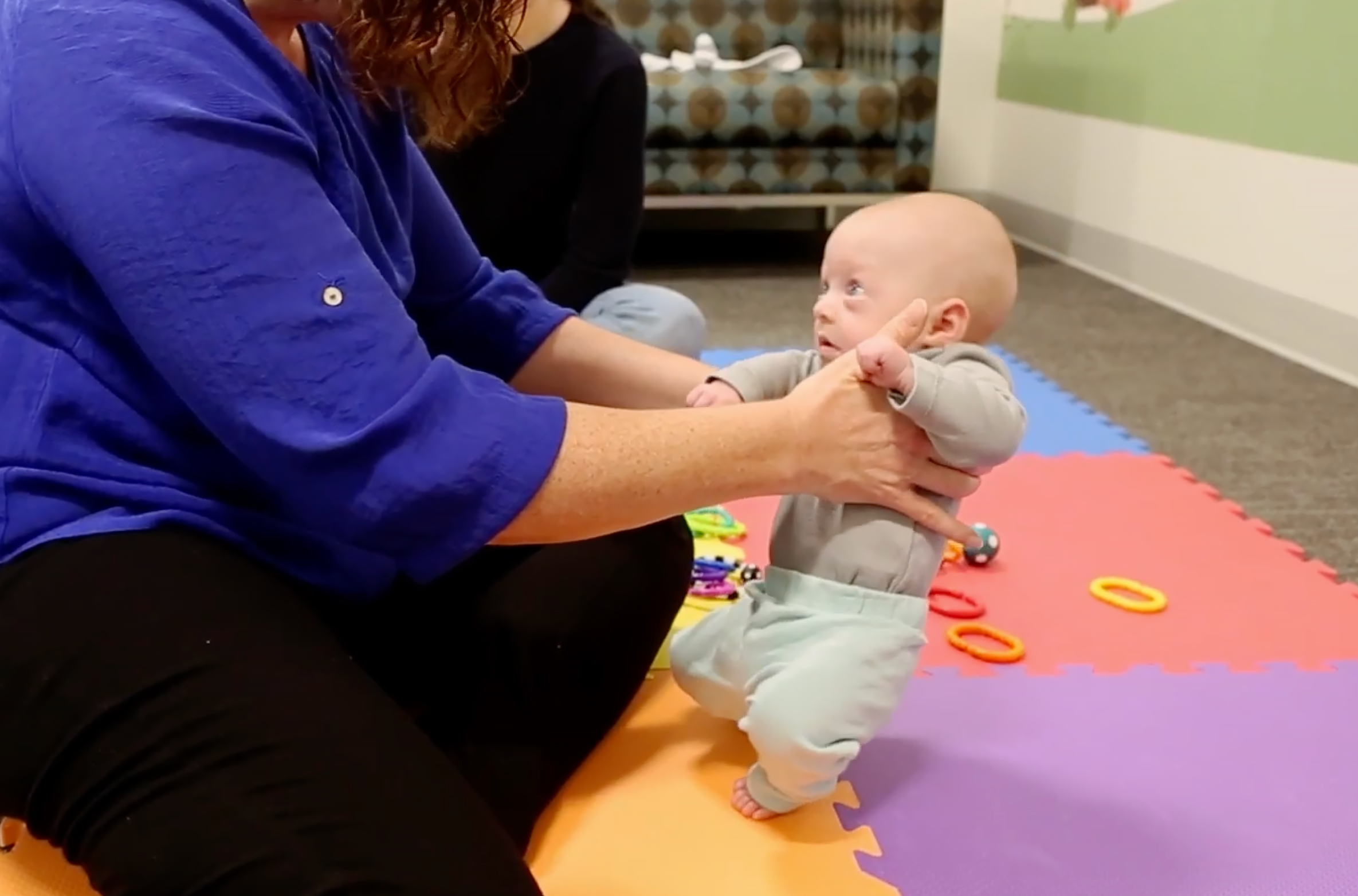
As a caregiver, you may not be confident in your ability to identify early signs of developmental delay or cerebral palsy (CP). If your child was born early, had early medical challenges, or you are seeing signs that concern you, access to professionals trained in the early diagnosis of CP can help. Learning about developmental milestones, early signs of CP, and the diagnostic process can help you feel more informed and prepared.
Early identification and intervention can make a significant difference in the ability of infants and children by connecting families to the support they need to help children reach their fullest potential.
Signs & Symptoms from the CP Alliance
Need help with new terms or acronyms? Visit our glossary.
Understanding Your Care Team of Providers
Learn how NICU providers, High-Risk Infant Follow-Up (HRIF) clinics, and primary care providers work together to monitor development and identify concerns early.
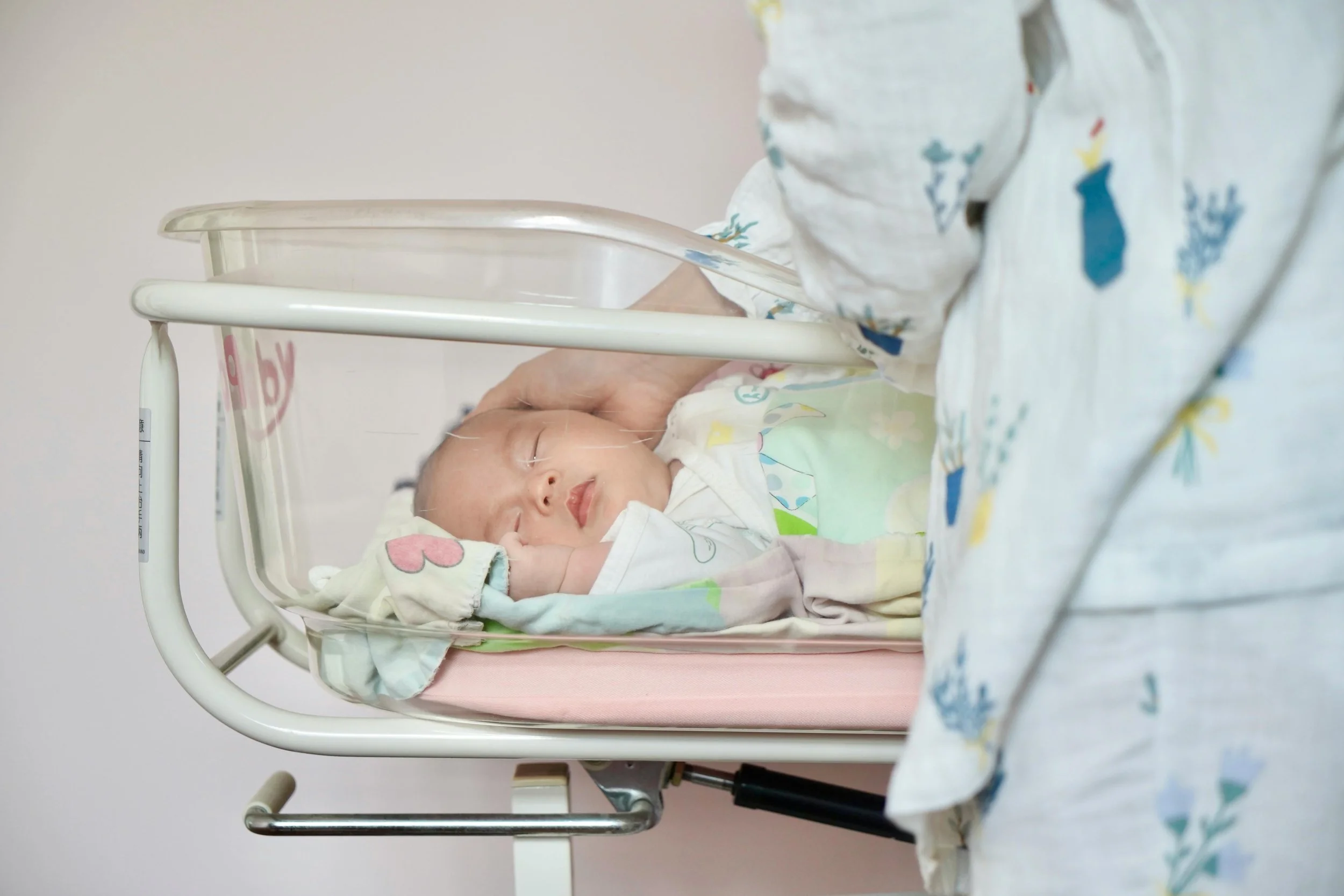
A stay in the NICU can be an unexpected and challenging experience for families. Babies who require NICU care often need extra monitoring as they grow and develop because they may be at increased risk for developmental delays or cerebral palsy (CP). Learn more about the NICU in this video.
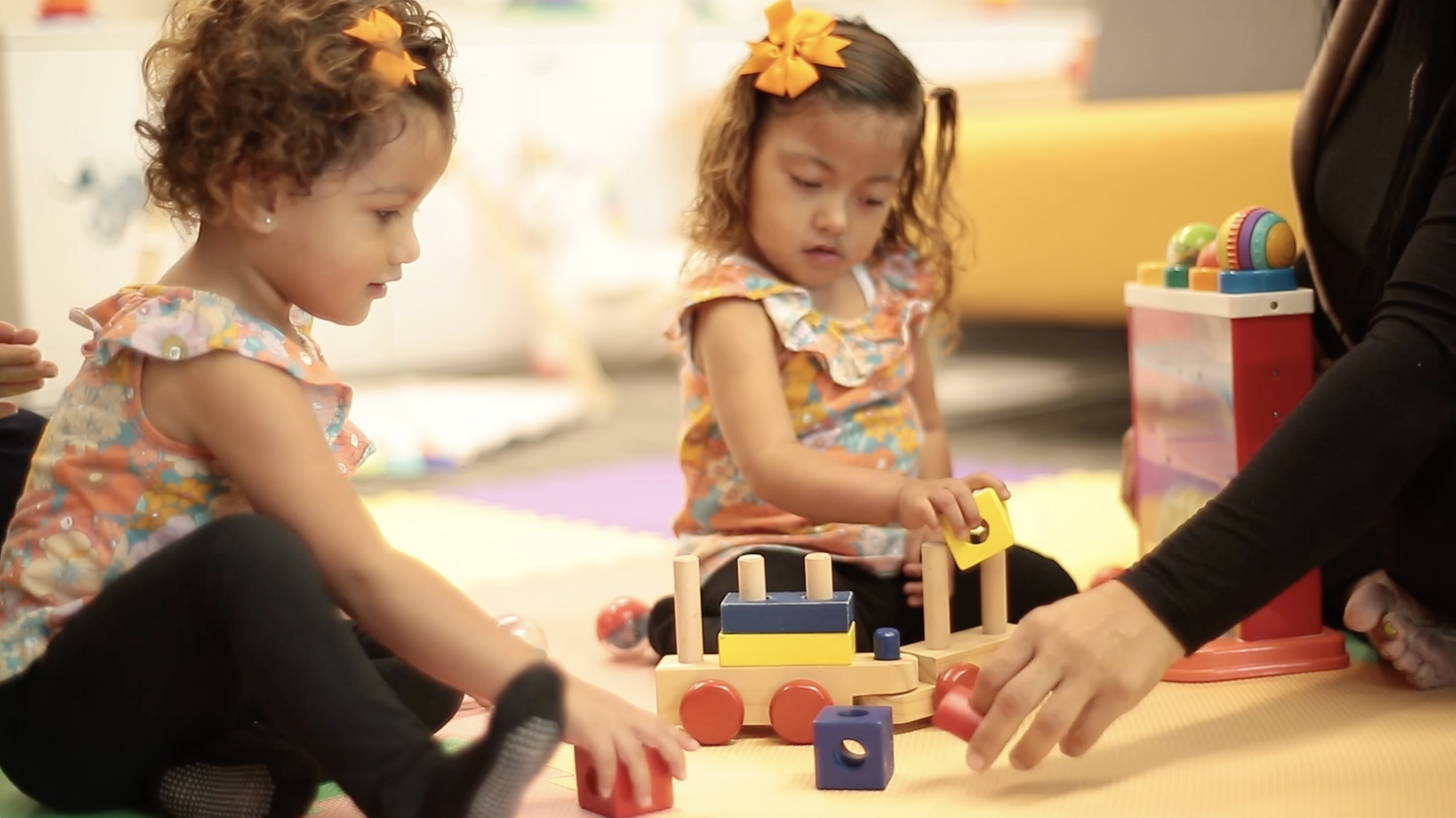
After leaving the NICU, some children benefit from ongoing developmental monitoring through a High-Risk Infant Follow-Up (HRIF) program. HRIF clinics are designed to support children who may be at increased risk for developmental challenges by providing specialized medical and developmental assessments beyond what is provided by primary care providers. Connecting medical, neurological, and developmental findings together in HRIF can improve early identification of CP or developmental delays, leading to earlier intervention. In this video, you'll learn how these programs help families access assessments, diagnoses, and resources early.
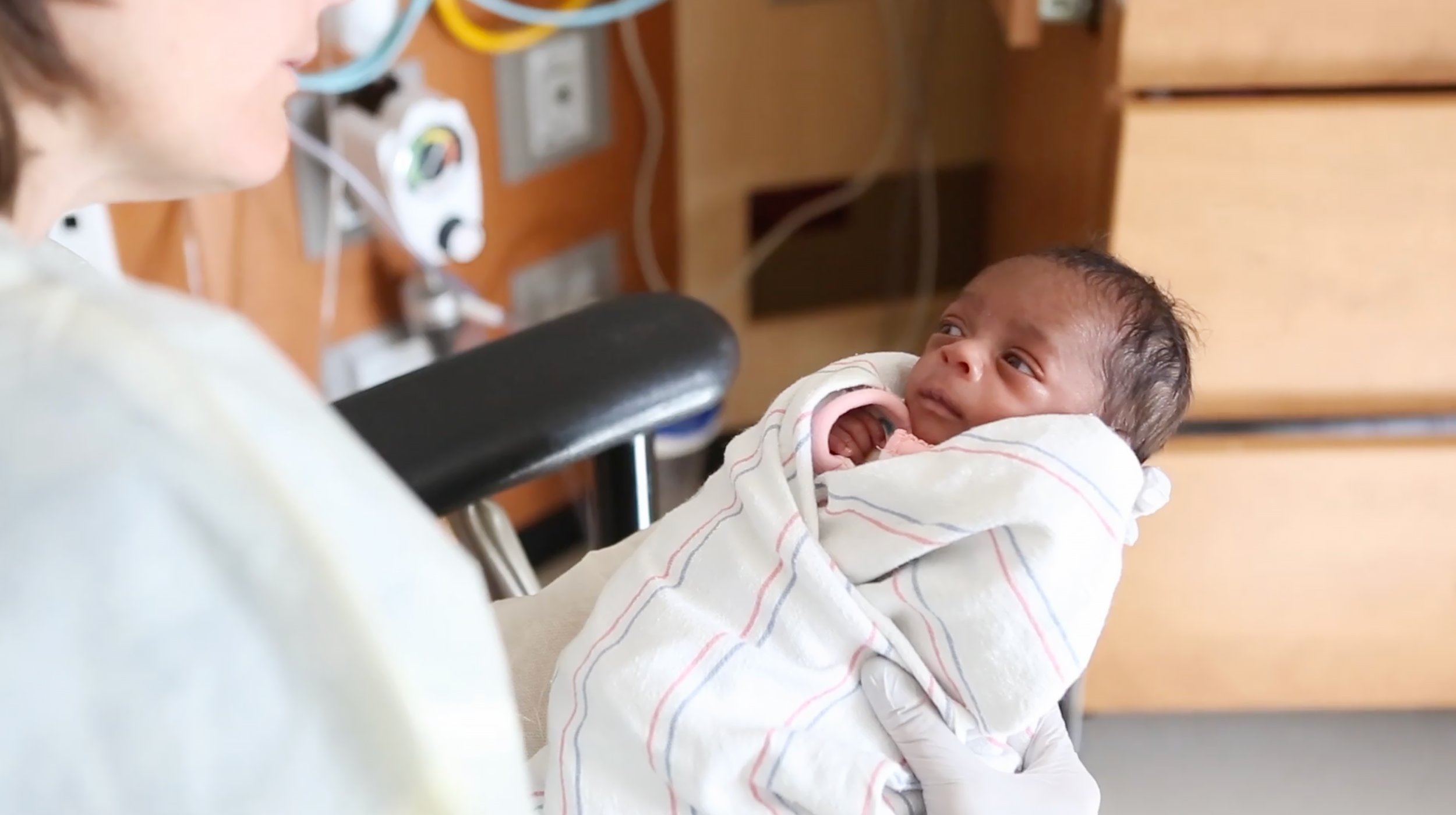
Your child’s primary care provider (such as a pediatrician or family medicine doctor) is often the healthcare professional you see most frequently during the first years of life. They are a trusted partner in your child’s care, monitoring your baby’s health, answering questions, and connecting families with specialists when concerns arise. They also provide developmental surveillance and can refer for more detailed developmental assessments when concerns arise. In this video, you'll learn about the important role primary care providers play in supporting healthy development and referrals for early identification assessments.
Intervention Services
There are several ways children can access intervention services and therapies. Explore these videos to learn about the programs, referral pathways, and resources available to help your child receive the support they need. Here we cover Regional Center programs (also called Early Intervention), California Children’s Services Medical Therapy Programs, and outpatient therapy services.
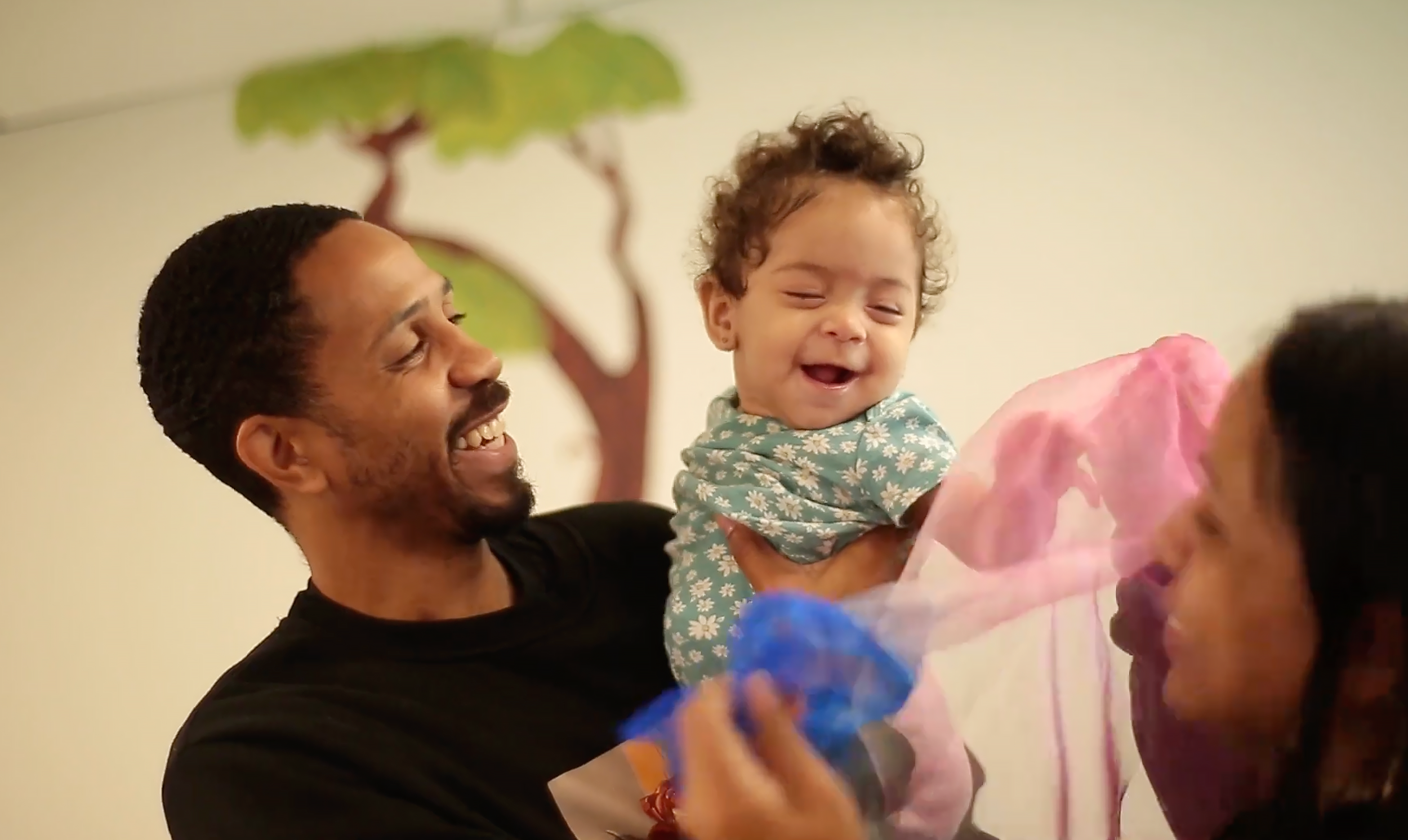
Regional Centers, the name used in California to refer to Early Intervention or federally mandated services for birth to 3-year-olds, are often an important pathway to services for infants and children with developmental delays or disabilities. This video explains how Regional Centers work, who may be eligible for services, how referrals are made, and what families can expect during the evaluation and enrollment process. Learn how Regional Centers can help connect your child with developmental supports and resources as early as possible.
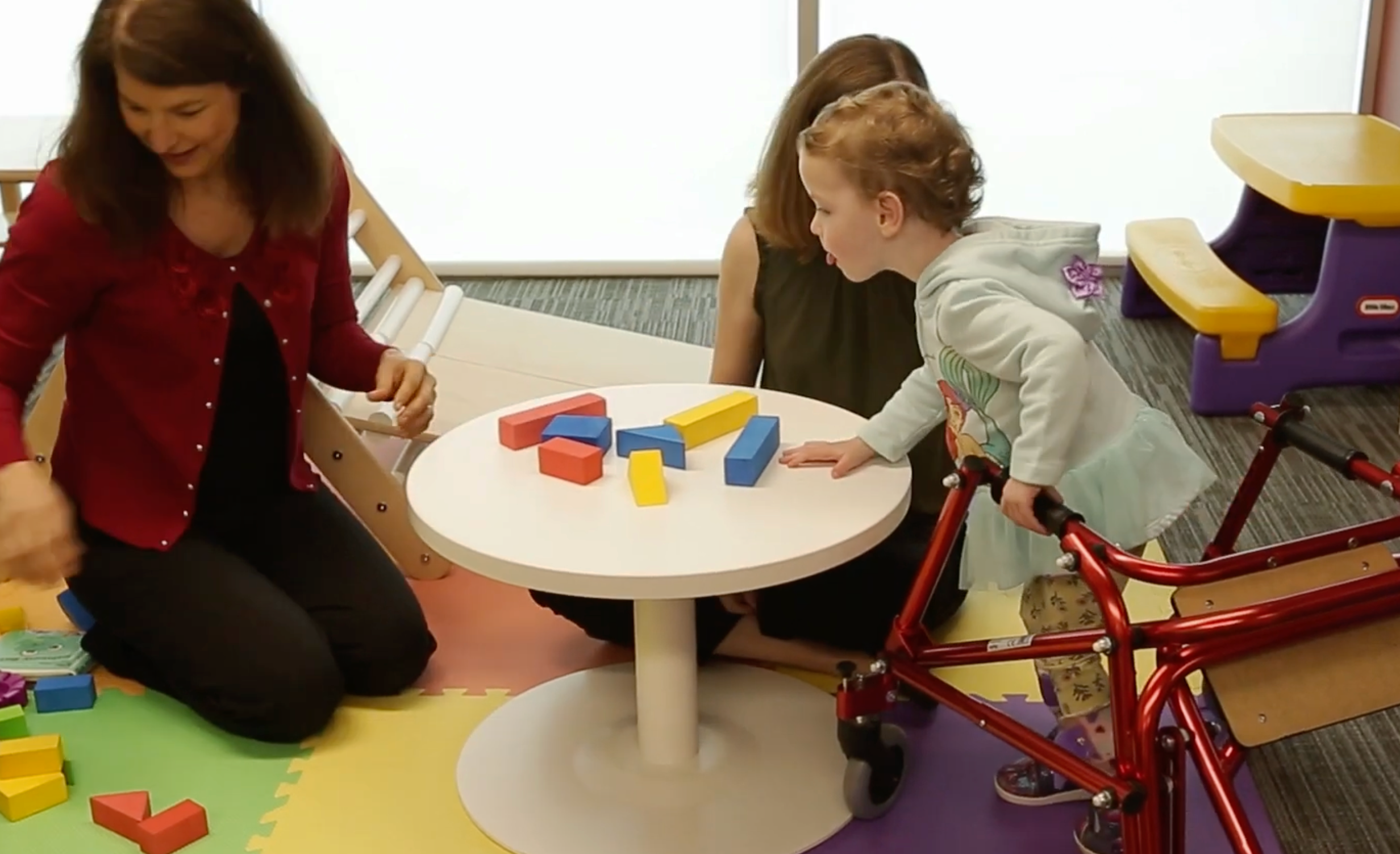
For children with cerebral palsy or other qualifying medical conditions, the California Children’s Services (CCS) Medical Therapy Program can provide specialized physical and occupational therapy to support their development and daily functioning. This video explains how the program works, who may qualify, and how families can access services that help children build skills, increase independence, and reach their fullest potential.
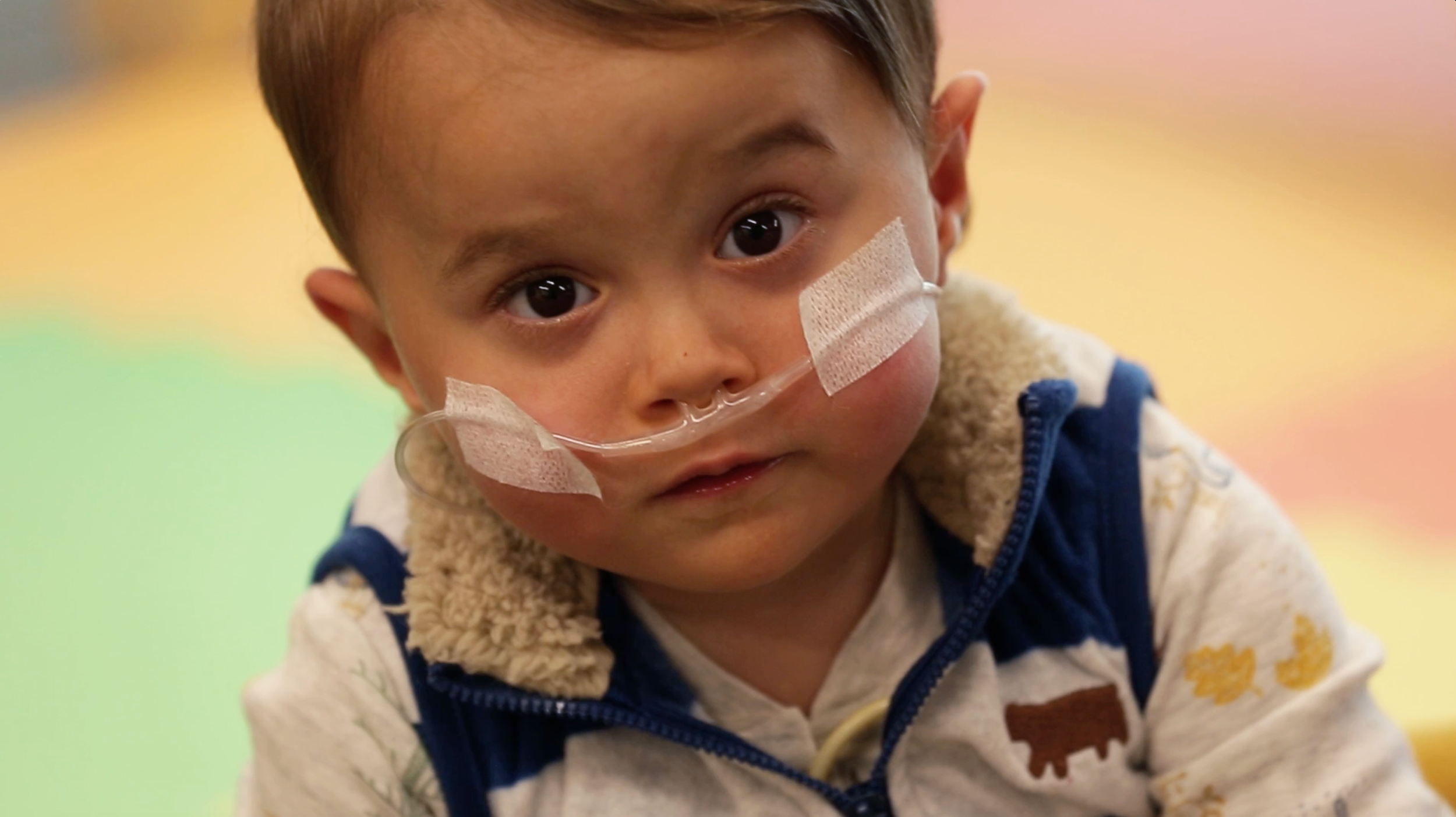
Outpatient therapy services, including physical, occupational, or speech therapy help children build important skills in areas such as movement, communication, and daily activities through regular sessions focused on specific functional goals. These services may take place in clinics or community settings and can be an important part of supporting your child’s development, treating conditions needing a rapid start of care, or requiring short-term care. In this video, you'll learn what outpatient therapy is, how it can support your child, and how families can access these services when needed.
Caregiver Support Groups
-
1500 S Hyacinth Ave, Suite B
West Covina, CA 91791
Website Resource
Phone: (626) 919-1091 -
2500 S Western Avenue
Los Angeles, CA 90018
Website Resource
Phone: (213) 744-8882 -
18111 Nordhoff St, E-109
Northridge, CA 91330-8265
Website Resource
Phone: 818-677-6854 -
Website Resource
Phone: (888) 823-7262